The Environmental Impact of Plastic Injection Molding and Sustainable Practices
Understanding Plastic Injection Molding
Overview of the Injection Molding Process
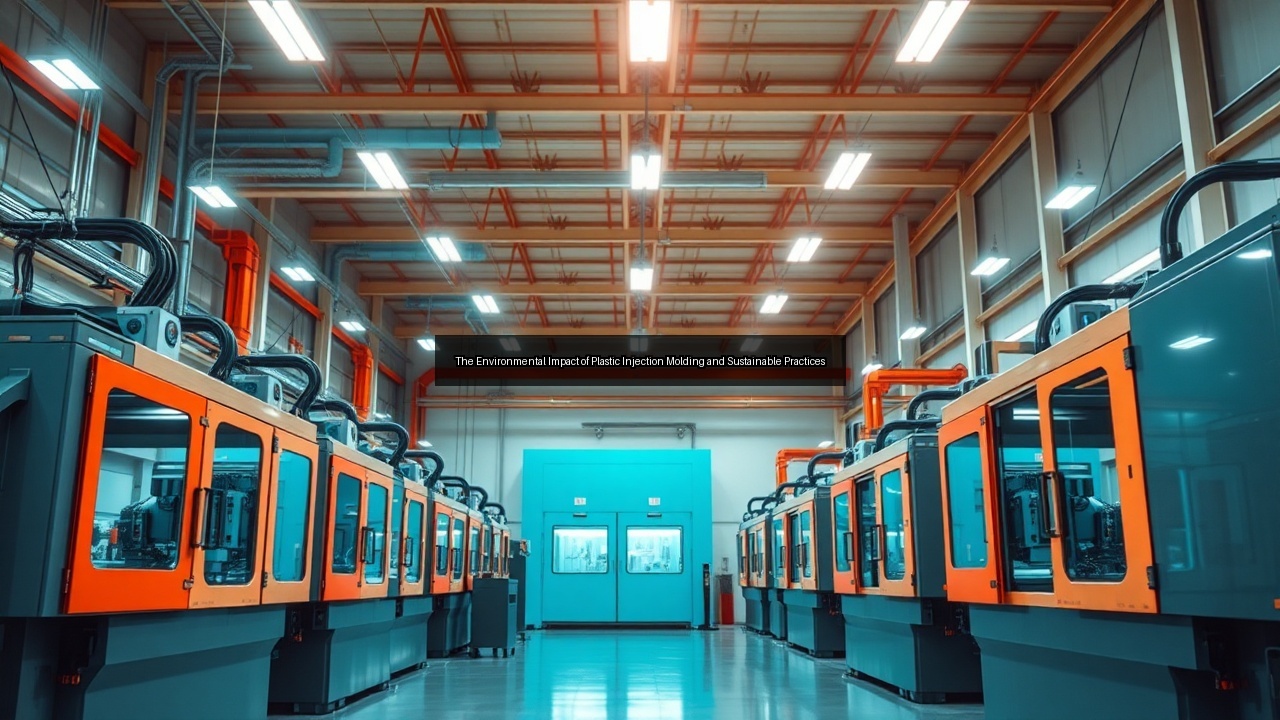
Plastic injection molding stands as a cornerstone of modern manufacturing, allowing for the mass production of plastic parts with precision and efficiency. The injection molding process begins with the melting of plastic pellets, which are then injected into a mold under high pressure. Once the plastic cools and solidifies, the mold opens, and the newly formed part is ejected. This method offers significant advantages, including the ability to create complex shapes that would be difficult to achieve through other manufacturing techniques. Moreover, injection molding minimizes waste, making it a popular choice among manufacturers aiming for operational efficiency.
Types of Injection Molding: Two-Shot and More
Various types of injection molding cater to specific manufacturing needs. Two-shot injection molding stands out as a technique that allows for the injection of two different materials into a single mold. This method produces multi-colored or multi-material parts in one cycle, enhancing product functionality and aesthetic appeal. Other types include insert molding, where pre-formed components are placed into the mold before the plastic is injected. Additionally, gas-assisted injection molding uses gas to create hollow parts, reducing material use while maintaining structural integrity. Each type of injection molding provides distinct advantages, allowing manufacturers to tailor their processes to meet specific requirements.
Key Components: Molds and Materials
The success of the injection molding process hinges on two critical components: molds and materials. Injection molds, typically made of steel or aluminum, define the shape and features of the final product. The design of the mold plays a vital role in determining production efficiency and part quality. On the materials side, various plastics, including thermoplastics and thermosets, offer different characteristics tailored for specific applications. Common materials include polypropylene, ABS, and polycarbonate, each providing unique benefits in terms of strength, flexibility, and temperature resistance. Selecting the right combination of molds and materials remains essential for achieving optimal results in plastic injection molding.
Environmental Challenges of Plastic Injection Molding
Plastic Waste and Its Impact on the Environment
Despite its advantages, plastic injection molding faces significant environmental challenges, primarily due to plastic waste. The global reliance on plastics has led to alarming levels of pollution, with millions of tons of plastic ending up in landfills and oceans each year. Single-use plastics, often produced through injection molding, contribute heavily to this crisis. The durability of plastics means they persist in the environment for hundreds of years, harming wildlife and ecosystems. As consumers and companies become increasingly aware of these consequences, the demand for sustainable solutions in the plastic injection molding industry has risen dramatically, prompting manufacturers to rethink their practices.
Energy Consumption in Injection Molding
The energy consumption associated with the injection molding process presents another environmental concern. High temperatures required for melting plastics and the energy-intensive nature of the machinery contribute to significant carbon footprints. Traditional injection molding machines often operate on fossil fuels, exacerbating greenhouse gas emissions. As manufacturers strive to reduce costs and environmental impacts, energy-efficient machinery and practices become essential. Innovations such as electric injection molding machines, which consume less energy than their hydraulic counterparts, are gaining traction in the industry. Embracing these advancements can lead to substantial reductions in energy usage and a more sustainable manufacturing process.
Pollution Generated by Manufacturing Processes
Beyond waste and energy use, the manufacturing processes involved in plastic injection molding can generate pollution. Emissions from production facilities may include volatile organic compounds (VOCs) and other harmful pollutants that affect air quality. Additionally, the disposal of defective parts or leftover materials can lead to further environmental degradation. Many manufacturers recognize the need for better management of these byproducts, leading to the implementation of cleaner production technologies and waste reduction strategies. Adopting stringent regulations and industry standards can help mitigate pollution, ensuring a more sustainable future for plastic injection molding.
Sustainable Practices in Plastic Injection Molding
Eco-Friendly Materials and Biodegradable Plastics
Transitioning to eco-friendly materials marks a crucial step toward sustainability in plastic injection molding. Manufacturers increasingly explore alternatives to traditional petroleum-based plastics, such as bioplastics derived from renewable resources. Biodegradable plastics, designed to break down more quickly in the environment, offer significant advantages for reducing plastic waste. These materials can be used in various applications, from packaging to consumer products, without sacrificing performance. Companies like Nicolet Plastics are leading the charge in adopting these innovative materials, demonstrating that sustainability and quality can coexist in the injection molding industry.
Innovative Technologies for Reducing Waste
Innovative technologies play a vital role in minimizing waste during the injection molding process. Advanced production techniques, such as closed-loop systems, allow for the recycling of scrap material generated during manufacturing. These systems capture excess plastic and reintroduce it into the production cycle, significantly reducing waste. Additionally, 3D printing technologies are emerging as a complementary approach to traditional injection molding, enabling manufacturers to create prototypes and low-volume parts with less material waste. Adopting these innovations not only enhances operational efficiency but also aligns with the growing consumer demand for environmentally responsible practices.
Sustainable Manufacturing Strategies: What to Look For in a Manufacturer
Choosing a sustainable plastic injection molding manufacturer requires careful consideration of various factors. Look for companies that prioritize eco-friendly practices, such as using recycled materials and implementing energy-efficient technologies. Assess their commitment to reducing waste and minimizing pollution through comprehensive waste management strategies. Certifications, such as ISO 14001, can indicate a manufacturer’s dedication to environmental management. Additionally, a focus on continuous improvement and innovation reflects a manufacturer’s willingness to adapt to changing environmental standards and customer expectations. By partnering with a responsible plastic injection molding supplier, businesses can contribute to a more sustainable future.
Choosing the Right Plastic Injection Molding Manufacturer
Top Plastic Injection Molding Companies to Consider
Identifying the right plastic injection molding manufacturer can significantly impact product quality and sustainability. Numerous companies excel in the injection molding sector, each offering unique services and expertise. Leading manufacturers often showcase their capabilities through extensive portfolios, highlighting their experience in various industries. Companies such as Nicolet Plastics, known for their commitment to sustainability and innovation, stand out in the market. When evaluating potential partners, consider their track record, customer reviews, and the range of services they offer to ensure they align with your specific project needs.
Custom Plastic Injection Molding Services: What They Offer
Custom plastic injection molding services provide solutions tailored to unique project requirements. Manufacturers specializing in custom molding can create parts that meet specific design, material, and functionality needs. These services often include design assistance, prototyping, and testing to ensure the final product meets quality standards. Whether you require specialized molds or unique plastic compositions, a custom plastic injection molding company can deliver solutions that cater to your specifications. This flexibility enables businesses to innovate while maintaining control over production processes.
Factors to Evaluate When Selecting a Supplier
When choosing a plastic injection molding manufacturer, several key factors warrant consideration. Assess the company’s experience and expertise in your specific industry to ensure they understand your unique challenges. Evaluate their production capabilities, including the types of machinery and technologies they employ. Quality assurance processes, such as regular inspections and testing, are vital for ensuring consistent product plastic injection molding company quality. Additionally, consider the manufacturer’s commitment to sustainability, as this reflects their awareness of environmental issues and their willingness to adapt. By carefully evaluating these factors, businesses can select a supplier that meets their operational and ethical standards.
See Also
- A Comprehensive Guide to Custom Plastic Injection Molding Services
- The Future of Plastic Injection Molding and Innovative Manufacturing Techniques
- Revolutionizing Manufacturing with Advanced Plastic Injection Techniques
- Exploring the Versatility of Injection Molding Across Industries
- The Art and Science of Creating High-Quality Plastic Injection Molds